The Complete Guide to Submersible Borehole Pump Repairs in Gauteng
As water security becomes a growing concern across Johannesburg, Sandton, and the wider Gauteng region, reliance on residential and commercial boreholes has never been higher. At the heart of every reliable off-grid water system is the submersible borehole pump—a highly engineered piece of equipment that operates under extreme conditions. When it fails, understanding the symptoms and repair processes is critical to getting your water flowing again without unnecessary costs.
Common Signs of Submersible Pump Failure
Borehole pumps rarely fail without warning. Catching these symptoms early can often mean the difference between a simple electrical repair and a complete unit replacement. If you experience any of the following, it is time to call in a borehole repair specialist:
- Sputtering or Spitting Taps: This usually indicates that the pump is drawing in air, which can mean the water table has dropped below the pump's depth, or there is a crack in the drop pipe.
- Tripping the DB Board: If your borehole pump trips the power immediately upon starting, you likely have a short circuit in the motor winding, a burnt-out control box, or moisture ingress in the electrical splicing.
- High Electricity Bills: A pump that runs continuously without building pressure is worn out. The impellers may be stripped, forcing the motor to work overtime just to extract a trickle of water.
- Muddy or Sandy Water: Excessive sand extraction acts like sandpaper on the pump's internal impellers, drastically reducing its lifespan and clogging your filtration systems.
"Over 60% of premature submersible pump failures in Gauteng are directly linked to electrical surges and load shedding. A proper control box with voltage protection is no longer optional; it is essential."
Why Do Pumps Fail in Gauteng?
Gauteng presents unique challenges for borehole systems. The geology varies wildly from the hard rock of the Witwatersrand to softer, sandy aquifers.
Electrical Fluctuations: The frequent rolling blackouts and subsequent power surges put immense strain on submersible motors. Without a robust motor protection relay (MPR), the windings overheat and burn out.
Dry Running: During the dry Highveld winters, water tables can drop. If a pump is not fitted with a dry-run protection sensor, it will continue to operate without water, melting the plastic impellers and destroying the motor in minutes.
The Repair Process: What to Expect
Professional borehole pump repairs require specialized lifting equipment and electrical diagnostics. Here is how our technicians approach a fault:
- Surface Diagnostics: We first test the control box, capacitors, and measure the electrical resistance down the cable. Many "pump failures" are actually just faulty surface electronics.
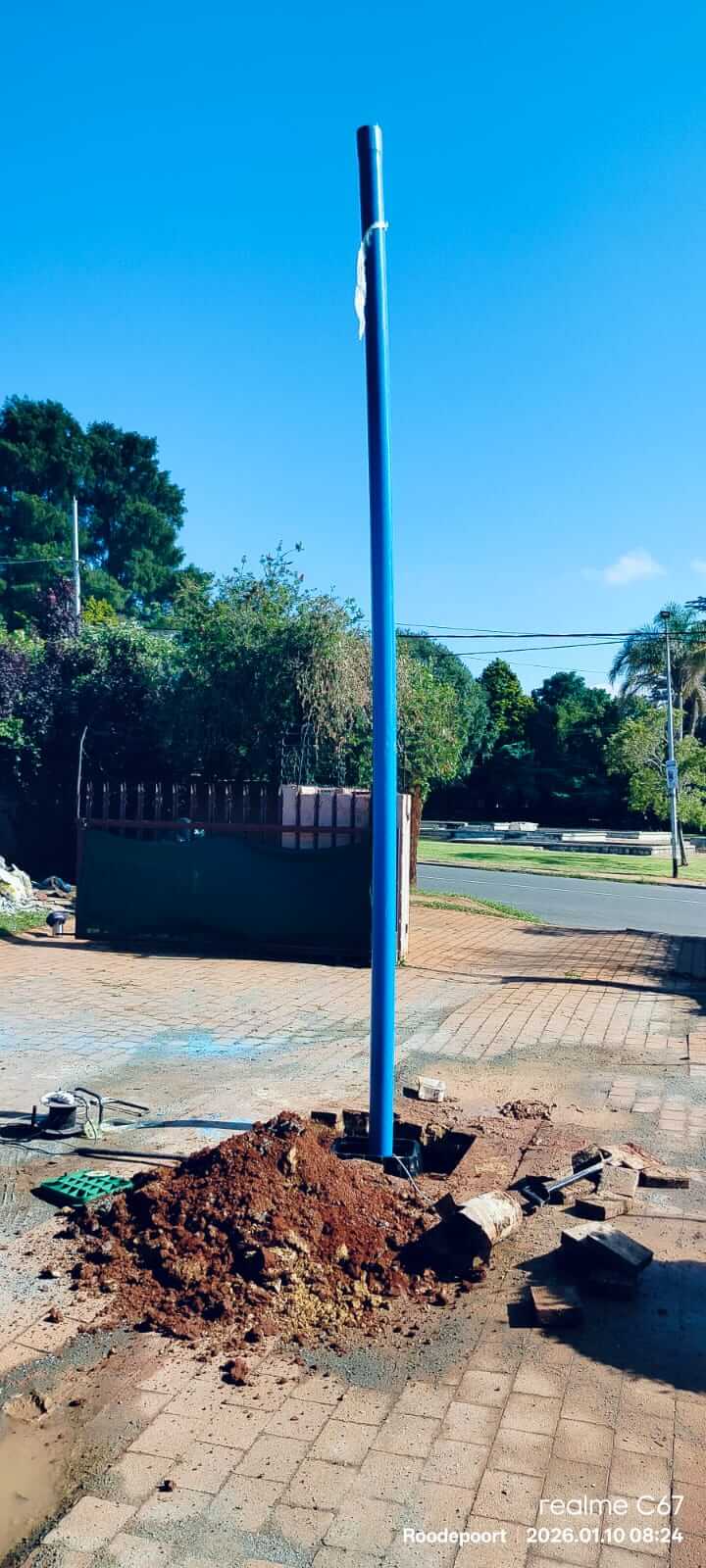
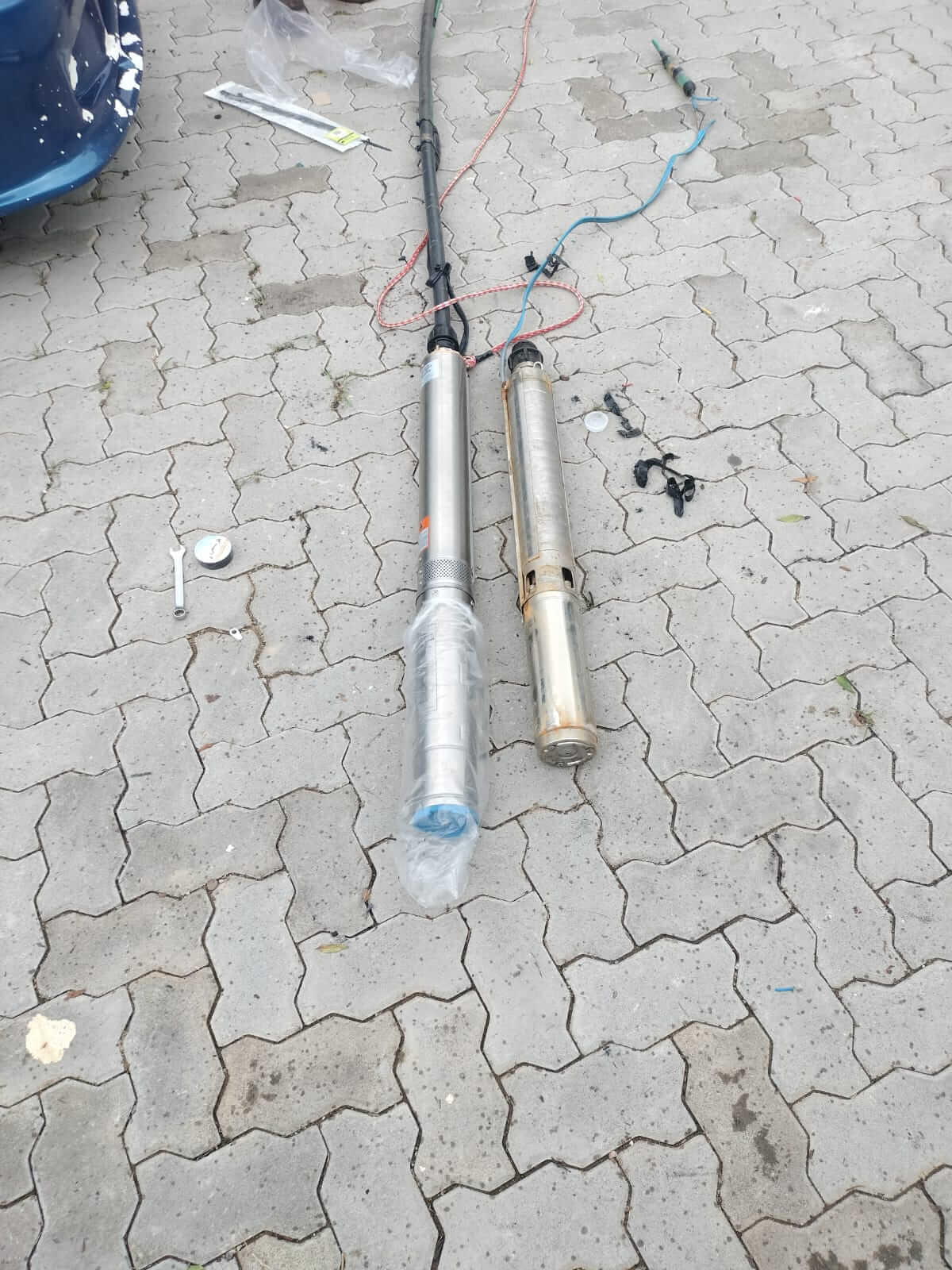
- Extraction: If the motor is dead, we use a mechanical winch to pull the pump, piping, and cabling to the surface safely.
- Inspection & Repair: We separate the wet-end (impellers) from the motor. Depending on the damage, we either rewind the motor, replace the impellers, or recommend a complete replacement with a high-efficiency unit.
- Reinstallation & Yield Testing: The repaired pump is lowered back in, pressure tested, and the yield is calibrated to ensure it does not pump the borehole dry.
Maintaining a borehole in Gauteng requires proactive care. By addressing pressure drops and electrical trips immediately, you protect your investment and ensure a continuous, clean water supply for your property.